
Vitamin D deficiency and iron deficiency anaemia are among the most common nutritional conditions seen in general practice in Australia. Despite being highly prevalent — and often significantly impacting energy, mood, immunity, and overall wellbeing — both conditions are frequently underdiagnosed and undertreated.
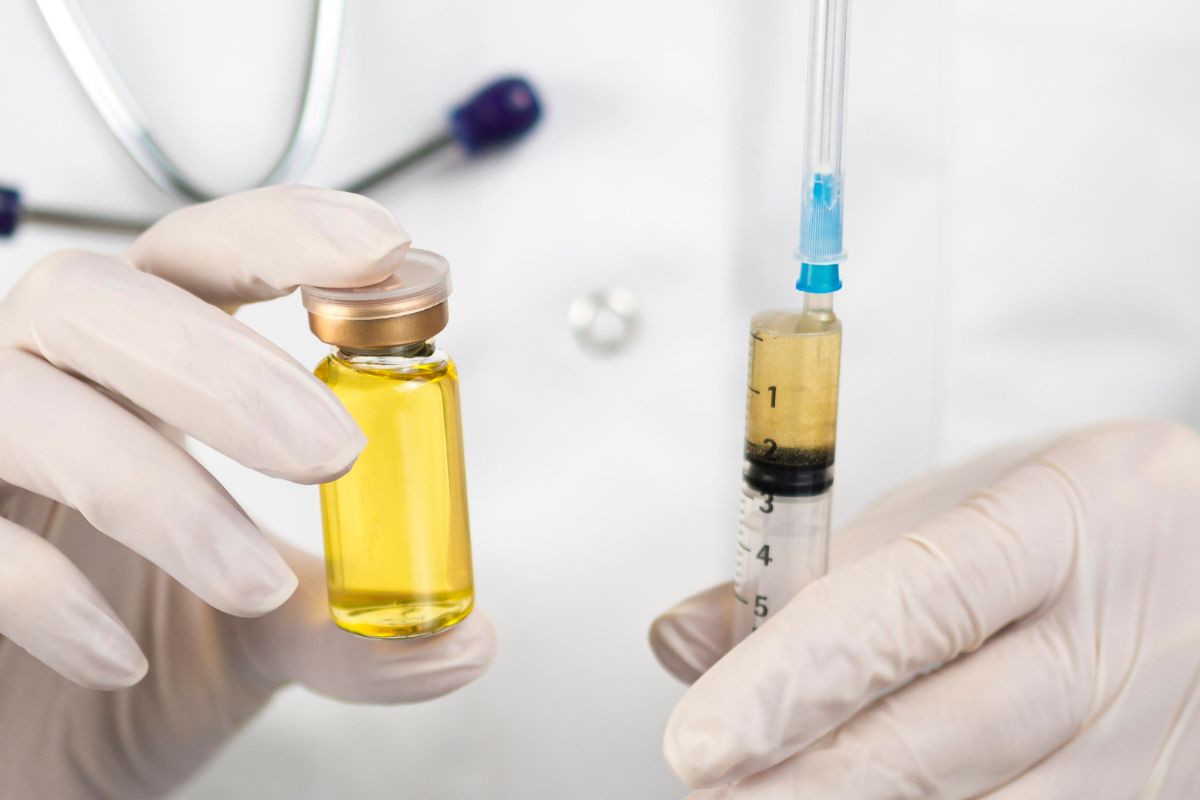
At Haan Health, we provide assessment, diagnosis, and treatment for both conditions — including Vitamin D injections and IV iron infusions — administered safely by our clinical team following a thorough GP consultation and appropriate blood testing
Why Vitamin D Matters Vitamin D is essential for bone health, immune function, muscle function, and mental wellbeing. Deficiency is surprisingly common in Australia — even in sunny Queensland — particularly in people who avoid sun exposure, have darker skin, spend most of their time indoors, are elderly, or have certain medical conditions.
Symptoms of Vitamin D Deficiency Fatigue and low energy, bone pain or tenderness, muscle weakness, low mood, frequent illness, and poor wound healing can all be associated with Vitamin D deficiency — though many people with deficiency have no obvious symptoms until levels are checked.
Testing & Treatment A simple blood test (25-hydroxyvitamin D) confirms deficiency. If levels are low, your GP will discuss whether oral supplementation or an intramuscular Vitamin D injection is the most appropriate approach for you. Injections are particularly useful for patients with absorption issues, poor compliance with oral supplements, or very low levels requiring rapid correction.
Why Iron Matters Iron is essential for the production of haemoglobin — the protein in red blood cells that carries oxygen around the body. Iron deficiency anaemia causes fatigue, breathlessness, brain fog, dizziness, poor concentration, and reduced exercise tolerance. In severe cases, it can significantly affect quality of life.
When is an IV Iron Infusion Recommended? Oral iron supplements are the first-line treatment for most patients with iron deficiency. However, IV iron infusion may be recommended when oral iron has been ineffective or poorly tolerated, when iron levels are severely depleted, when rapid restoration is needed (e.g. prior to surgery or during pregnancy), or when there is an underlying absorption problem.
How IV Iron Infusions Work at Haan Health Following a consultation and appropriate blood testing, your GP will determine whether an IV iron infusion is clinically indicated. The infusion is administered intravenously over a period of time in our clinic, with monitoring throughout. Post-infusion follow-up blood tests are arranged to confirm response to treatment.
Please book a long appointment so your GP has time to assess your symptoms and review your test results.